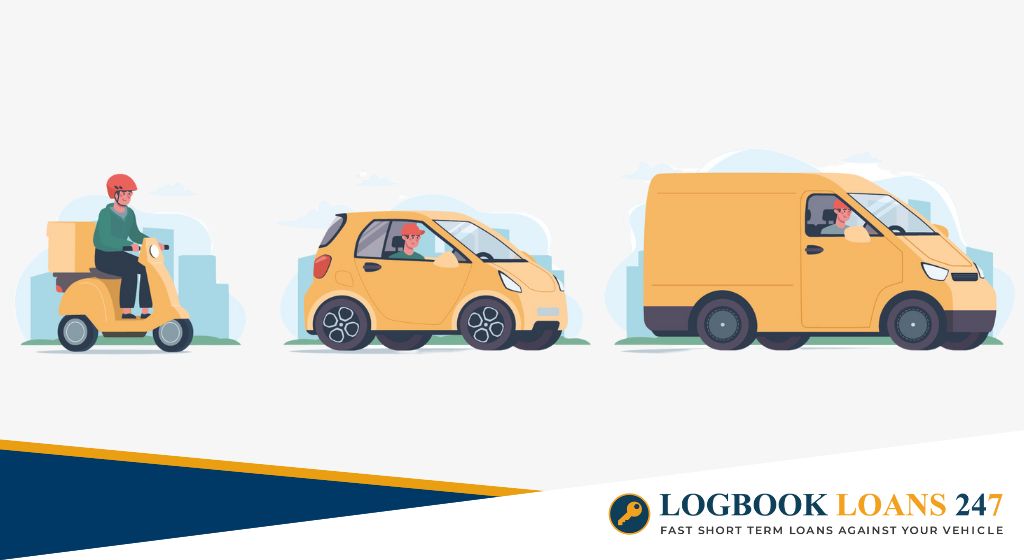
Every year, around 50,000 people in the UK take out a logbook loan to access money when they need cash urgently, according to Hansard. What some motorists may not realise is that logbook loans are not limited to everyday cars and can be used across various vehicle types. Whether it’s a motorbike, van, or vintage classic, you can borrow against a wide range of models, as long as they meet certain criteria.
Taking out a loan secured on your vehicle can be a practical solution to temporary cashflow problems.
© Anna_Summer / Shutterstock.com
Benefit from being able to borrow money fast, while continuing to use your car until the loan is repaid – secured by using the V5 logbook as proof of ownership.
While these loans have traditionally appealed to owners of everyday cars, today’s lenders are increasingly open to working with a broader range. The value and condition, and the borrower’s ability to prove full ownership of the vehicle and repay the finance, are crucial. Evaluated individually, each loan amount is tailored to reflect a vehicle’s market value and condition.
This broader acceptance has opened up financial opportunities to a wider audience, from everyday drivers to classic car collectors and business owners. The lender will always assess the vehicle’s value and ownership status, but potentially, you can borrow money against any vehicle.
Standard cars
A standard car remains the most common type of vehicle used for logbook loans. Ideal for everyday borrowers, this loan is aimed at drivers who own a regular car that’s usually under ten years old. Whether it’s a compact model, an estate, or a family-friendly SUV, as long as it’s in good condition and registered correctly, it can potentially be used to secure a loan.
Luxury cars
High-end models can unlock higher loan values, so if you own a BMW, Mercedes, Porsche, Jaguar or other luxury car, their greater market value is recognised. These vehicles can be especially useful for owners needing access to larger sums of money, without having to sell other assets outright.
According to reports, the highest amount borrowed against a vehicle in the UK was a £250,000 logbook loan secured against a rare 1964 Aston Martin DB4 Series V sports car in June 2025.
Vintage and classic cars
For collectors and enthusiasts, vintage and classic cars can also serve as a valuable source of credit, especially if well-maintained or rare. Classic cars logbook loans are becoming more popular, largely due to consumer perceptions having changed.
Traditionally associated with lower value vehicles in the past, logbook loans now have a better reputation. Owners applying for vintage cars logbook loans may also be pleasantly surprised at the offer, as older autos often appreciate in value, making them attractive collateral for lenders.
Vans and commercial vehicles
Business owners and tradespeople often rely on vans and commercial vehicles to run their operations. The good news is these workhorses can also be used to access funding. Whether you need to cover business expenses, purchase stock, or invest in equipment, logbook loans for vans can provide the funding you need without disrupting business operations.
Motorbikes
Owners who can’t access traditional forms of credit, or who need to borrow money fast, may find logbook loans for motorbikes offer a viable solution.
Like with a car or van, motorbikes can be eligible in many cases, provided the borrower owns the bike outright and it holds sufficient value. From daily commuters to high-end touring models, motorbikes can unlock useful loan amounts when needed.
Motorhomes
Larger vehicles with decent value, such as motorhomes, can also be used as collateral. They often have a high resale value and can secure significant funding, particularly if they’re in good condition. As with cars, they must be fully owned. This option can appeal to part-time travellers or retirees needing flexible finance without parting with their home on wheels.
Commercial fleets
Some lenders can work with multiple vehicles in a business setup to offer tailored logbook loans on commercial fleets. This approach can be useful for businesses seeking a funding solution that scales with their operations.
Whether you’re managing a delivery fleet or a service-based business, borrowing against multiple vehicles can provide the capital needed for expansion, payroll, or large project investment. It’s not only commercial cars that can be used as collateral, as other vehicles, such as tractors, can also be considered, depending on their value and condition.
What do lenders require?
To qualify for a logbook loan, the borrower must meet some essential criteria. First, the vehicle must be roadworthy and legal to drive. The V5 logbook must be in the borrower’s name, proving ownership. The vehicle should not have any outstanding finance attached to it. Additionally, borrowers must have valid insurance and be able to show proof of identity and address. Responsible lenders will require photo identification, such as a driving licence or passport, along with recent bank statements and proof of insurance. The requirements are the same, no matter what kind of vehicle you own.
If you can fulfil these criteria, you may be eligible to enjoy the benefits of a logbook loan, including quick access to cash, the ability to keep using your vehicle, and flexible repayments.
In principle, you can borrow money against any vehicle, so don’t be disheartened if your pride and joy is more than ten years old, as logbook loans for older cars can be considered on their individual merits. This assessment considers factors such as age, mileage, condition and resale potential.
Benefits of vehicle-based borrowing
The application process is generally faster than traditional loans, often with same day decisions. Borrowers maintain the use of their vehicle, allowing their life or business to continue uninterrupted. Repayment terms can be tailored to suit individual circumstances.
For those who may not qualify for unsecured credit due to limited credit history, using a vehicle as collateral can open up new financing options. The key is working with a trusted, experienced lender, who can provide a transparent valuation and flexible terms.
With a streamlined approval process, funds can be transferred to your bank account in as little as two hours from the time of application. Once all the paperwork is signed and your documents have been verified, the money is released within minutes.
During the term of the agreement, the vehicle must remain taxed, comprehensively insured and possess a valid MOT. Lenders will consider a wide range of applicants, including those with a poor credit history and self-employed people. Always use a reputable lender for the best outcome.