Whether it’s the nostalgia tied to a particular model, or simply the gentle rumble of an older engine, classic cars occupy a unique place in British motoring culture.
Spend any time around car enthusiasts at a weekend meet, a local show, or even just chatting with friends, and you’ll quickly realise everyone has their own opinion on what counts as a “classic”.
© Public Domain
For some, it’s all about age. For others, it’s the memories a car brings back, or the way it turns heads on the road. That mix of passion and personal perspective is exactly what makes the topic so interesting.
However, have you ever wondered what officially qualifies as a classic, particularly when it comes to things like road tax and MOT, or being eligible for specialist motor insurance? The answer isn’t as straightforward as you might think. In fact, the definition varies, depending on who you ask. Understanding why it matters can help you appreciate your vehicle’s true worth, both financially and emotionally.
What defines a classic car?
While age is an obvious factor, it’s far from the only one. A car’s condition, rarity, historical importance and desirability all play a significant role in shaping its status. In the UK, there are a few formal and informal benchmarks worth noting.
According to HMRC, a car is considered “classic” for taxation purposes if it’s more than 15 years old and worth at least £15,000. This is particularly relevant for business owners with company cars, as it affects how the vehicle is taxed as a benefit in kind.
Vehicles built or registered more than 40 years ago are classified as “historic”, making them exempt from having road tax and an MOT.
The definition is often more flexible among insurers, as some may even recognise cars as young as five years old as classics, especially if they’re limited editions, have distinctive design features, or maintain strong resale value. This highlights an important truth: classic status can be as much about perception as it is about age.
When do cars become classic?
Despite the official definitions, perception still varies widely. Several characteristics consistently influence whether a vehicle is considered a classic. A well-maintained car, with original parts, or a high-quality restoration, will always command more attention and price. Rarity also matters, particularly for models with low production numbers, or those that have become scarce over time.
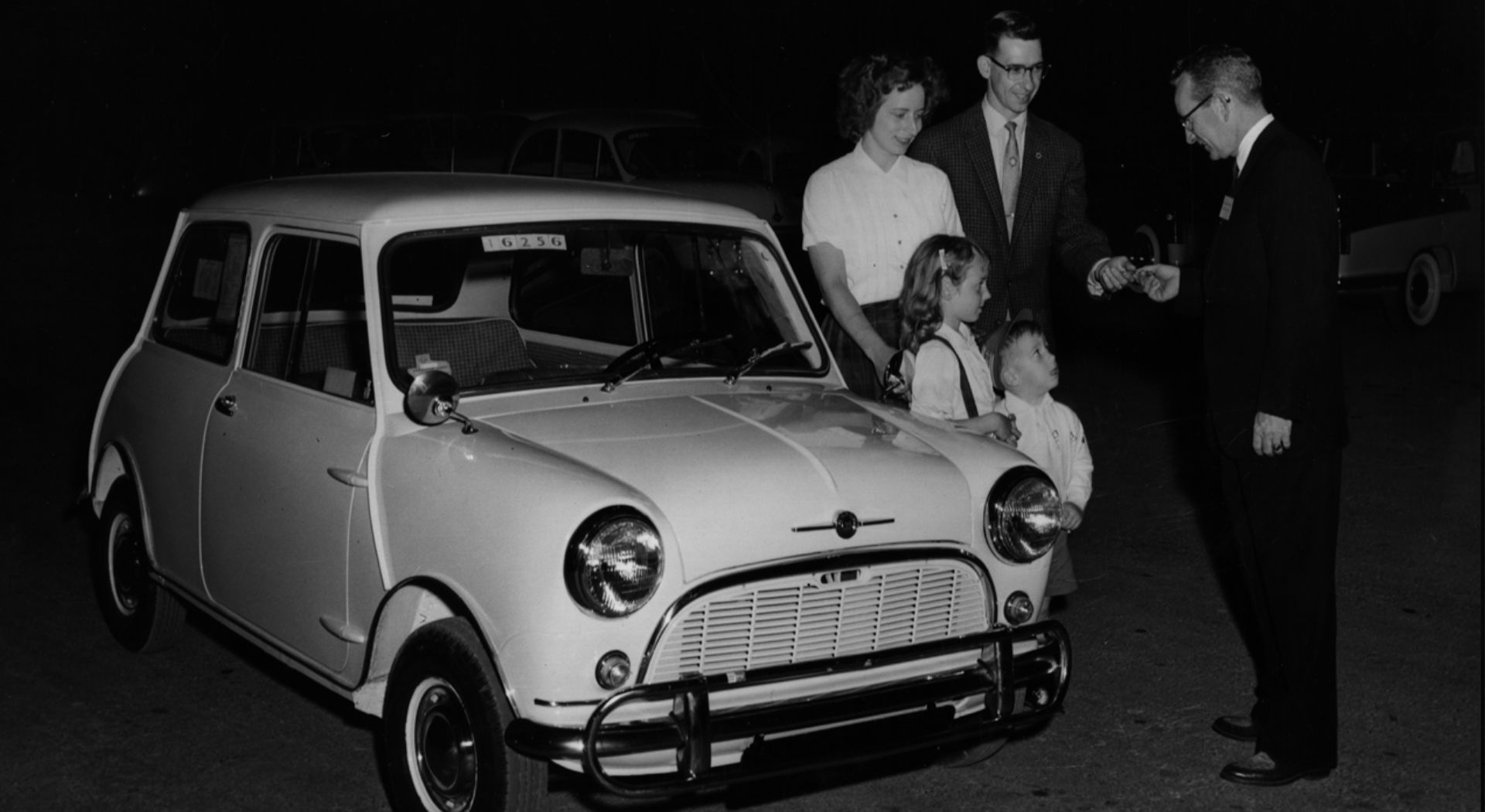
Historical significance can elevate its status too. Vehicles associated with cultural moments, motorsport success, or groundbreaking design tend to gain recognition more quickly. Think of iconic British models that helped shape automotive history, as their legacy contributes heavily to their appeal. One of the most recognisable is the Mini Cooper. Originally launched in 1959, it revolutionised small car design with its front-wheel-drive layout and transverse engine. The 1969 crime caper, The Italian Job, features a trio of Mini Coopers in red, white and blue in one of the most iconic car chase scenes in cinema history, further securing its reputation.
Collectability ties all the factors together; if people actively seek out a particular model, whether for investment, nostalgia or passion, it naturally moves closer to classic territory. Insurance providers may offer specialist cheaper policies for vehicles they deem collectible, whatever the reason. For owners, there is also a strong sense of pride in ownership, as they are helping to preserve a piece of automotive history.
How does classic car status affect value?
Data from the Historic Automobile Group International reveals that certain models have outperformed traditional investments over the long term, although this varies by model and market trends. While not every car will appreciate dramatically, many retain their worth better than standard vehicles.
Resale price is one of the most obvious areas, as vehicles recognised in this category can command significantly higher prices than its non-classic counterparts.
Owners tend to invest more in secure storage, tracking devices and maintenance, which helps preserve the cars’ condition and value. In many cases, the vehicles are driven less frequently, reducing wear and tear and further supporting long-term collectability. This can help ensure prices remain stable and may even increase, rather than decline as is often the case with modern cars. In some cases, these vehicles can also act as a financial asset.
Driving the economy: Why classic cars matter beyond the road
The Federation of British Historic Vehicle Clubs suggests the UK’s historic vehicle sector contributes billions of pounds to the national economy, underlining the broader significance of classic cars as both personal assets and as part of a thriving cultural and economic landscape.
According to the 2025 National Historic Vehicle Survey, the sector contributes £7.3 billion annually to the British economy. This thriving sector includes 690,777 owners and supports 34,500 jobs across 2,700 specialist businesses.
Ultimately, becoming a classic isn’t just about hitting a certain age. It’s about standing out, enduring over time and capturing the imagination of those who appreciate automotive history.